 Ave Audio
Ascension Sunday: Meaning, History, and How to Celebrate

Lifelong Catholic, Knight of Columbus, and founder of Ave Audio. 20+ years in software engineering.
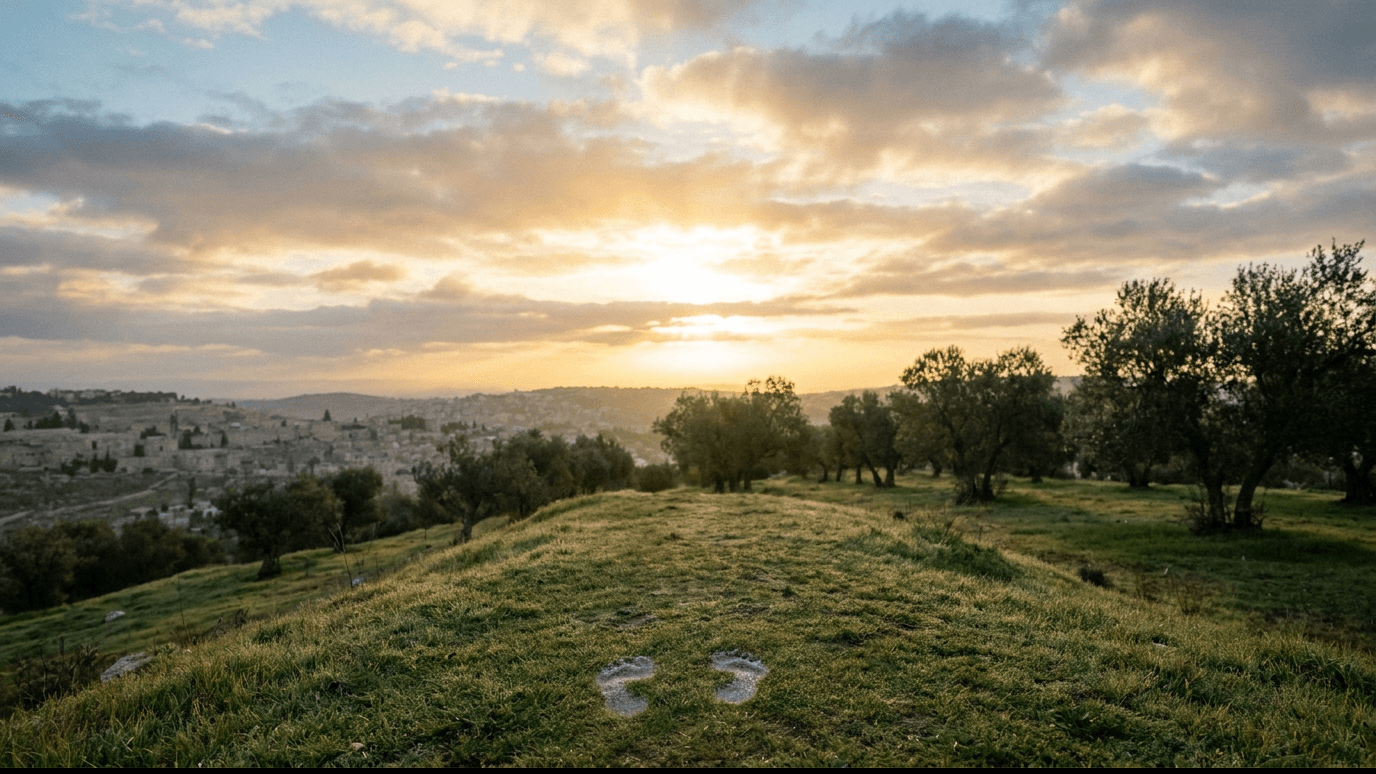
Ascension Sunday is the Catholic Church's celebration of the moment the risen Christ ascended bodily into heaven, forty days after Easter. It is a solemnity — one of the highest-ranking feasts of the liturgical year — and a holy day of obligation. In 2026, most dioceses in the United States observe it on Sunday, May 17.
Key Takeaways
- The Ascension marks Christ's bodily entrance into heaven, forty days after Easter (Acts 1:9–11)
- In 2026, Ascension Sunday falls on May 17; the traditional Ascension Thursday is May 14
- Most U.S. dioceses transfer the feast to the Seventh Sunday of Easter so more of the faithful can attend
- It is a holy day of obligation and a solemnity of the Church
- The Ascension is the Second Glorious Mystery of the Rosary
- It begins the nine days that gave the Church its first novena — the Pentecost Novena
- Listen to The Ascension prayer on Ave Audio
What Is Ascension Sunday?
Ascension Sunday celebrates the day the risen Jesus, in the sight of his apostles, was taken up into heaven. The Acts of the Apostles describes it plainly: "As they were looking on, he was lifted up, and a cloud took him from their sight" (Acts 1:9). The feast closes the forty days of Easter appearances and points the Church toward Pentecost.
The Church ranks the Ascension as a solemnity, the highest grade of liturgical celebration, alongside Easter, Christmas, and Pentecost. St. Augustine, writing in the early fifth century, described it as a feast of apostolic origin observed universally long before his time (New Advent, Catholic Encyclopedia). It has been kept on the fortieth day of Easter since at least the late fourth century (EWTN).
The name "Ascension Sunday" comes from a practical adjustment. The feast traditionally falls on a Thursday, but many bishops' conferences have moved it to the following Sunday — the Seventh Sunday of Easter — so that more Catholics can take part. Where that transfer applies, the solemnity is commonly called Ascension Sunday.
Why Is the Ascension 40 Days After Easter?
The forty-day interval comes directly from Scripture. Acts 1:3 says the risen Jesus "presented himself alive" to the apostles "by many proofs, appearing to them during forty days and speaking about the kingdom of God." Counting forty days from Easter Sunday lands on a Thursday — the day the Church has marked the Ascension since antiquity.
Forty is not an arbitrary number in the Bible. It marks preparation and transition again and again: forty days of rain in the Flood, forty years in the wilderness, forty days Moses spent on Mount Sinai, and the forty days Jesus fasted in the desert before his public ministry. The forty days after Easter follow the same pattern — a span of teaching and preparation before the Church is sent out.
During those forty days, Jesus opened the apostles' understanding of the Scriptures, ate with them, and gave them the commission that would define the Church: "Go therefore and make disciples of all nations" (Matthew 28:19). The Ascension is the seal on that period — the visible end of Christ's earthly presence and the start of the Church's mission.
What Does the Ascension Mean?
The Ascension is not Christ disappearing. It is Christ's humanity entering heaven. The Catechism of the Catholic Church puts it precisely: "Christ's Ascension marks the definitive entrance of Jesus' humanity into God's heavenly domain, whence he will come again" (CCC 665).
This matters because Jesus did not shed his human nature when he rose. He ascended as the God-man, body and soul, and took human nature with him into the life of the Trinity. The Catechism continues that Christ "precedes us into the Father's kingdom so that we, the members of his Body, may live in the hope of one day being with him forever" (CCC 666). Where the head has gone, the body is meant to follow.
The Ascension also changes how Christ is present to his Church. He is no longer visible in one place, walking the roads of Galilee. He reigns at the right hand of the Father and remains present through the sacraments, the Scriptures, and the Holy Spirit he was about to send. The feast is the hinge between the Resurrection and Pentecost — Christ goes so that the Spirit may come.
Ascension Thursday or Ascension Sunday?
The Ascension always falls forty days after Easter, which is always a Thursday. But whether your parish celebrates it on Thursday or the following Sunday depends entirely on where you live. The Church permits each bishops' conference to transfer the solemnity to the Seventh Sunday of Easter, and most of the United States has done exactly that.
In 2026, the fortieth day of Easter is Thursday, May 14. The transferred celebration — Ascension Sunday — is Sunday, May 17. The two are the same solemnity; only the calendar date differs.
Six ecclesiastical provinces and one state keep the traditional Thursday date: the provinces of Boston, Hartford, New York, Newark, and Philadelphia, and the state of Nebraska. Catholics in those regions celebrate Ascension Thursday on May 14, 2026. Everywhere else in the U.S., the feast moves to Sunday, May 17.
| Date (2026) | Where | |
|---|---|---|
| Ascension Thursday | May 14 | Provinces of Boston, Hartford, New York, Newark, Philadelphia; the state of Nebraska |
| Ascension Sunday | May 17 | Most other U.S. dioceses |
If you are unsure which applies to you, check your diocese's website or parish bulletin. The reason for the transfer is pastoral: a Thursday holy day is hard for working Catholics to attend, and moving the solemnity to Sunday lets the whole parish celebrate it together.
Is Ascension Sunday a Holy Day of Obligation?
Yes. The Ascension is one of the six holy days of obligation in the United States, which means Catholics are bound to take part in Mass, just as on a Sunday. Where the feast is transferred, the obligation is folded into the Seventh Sunday of Easter — attending Sunday Mass on May 17, 2026 fulfills it.
Where the Ascension stays on Thursday, May 14, the obligation attaches to that day, and Catholics in those provinces attend Mass on Thursday. The Catechism notes that the faithful are obliged to participate "unless excused for a serious reason (for example, illness, the care of infants) or dispensed by their own pastor" (CCC 2181).
Because most dioceses now observe Ascension Sunday, the practical effect for the majority of American Catholics is simple: the solemnity is celebrated at the Sunday Mass they would already attend. The transfer removes the burden of a separate weekday obligation while keeping the feast at the center of the parish's worship.
How to Celebrate Ascension Sunday
At Mass
The heart of the celebration is the Mass itself. The readings recount the Ascension from Acts and one of the Gospels, and the Preface sings of Christ entering heaven "not to distance himself from our lowly state but that we, his members, might be confident of following where he, our Head and Founder, has gone before."
In many parishes the Easter candle, lit since the Easter Vigil, is given special attention during the Ascension liturgy — a sign that the visible light of the Risen Christ is being entrusted to the Church before Pentecost.
At Home
The Ascension is a feast worth marking beyond the Sunday obligation:
- Pray the Glorious Mysteries of the Rosary — the Ascension is the Second Glorious Mystery
- Read the Ascension accounts aloud as a family: Acts 1:6–11, Luke 24:50–53, and Mark 16:19–20
- Pray the Regina Caeli, the Marian antiphon of the Easter season, in place of the Angelus
- Begin the Pentecost Novena — the nine days of prayer that lead from the Ascension to Pentecost
- Make an act of hope, the virtue the Ascension most directly stirs: Christ has gone ahead to prepare a place
For an audio companion to your prayer, listen to The Ascension on Ave Audio — a guided meditation on the Second Glorious Mystery.
The Ascension and the First Novena
The Ascension does not stand alone in the calendar. It opens the nine days that gave the Church its very first novena. After Jesus ascended, the apostles returned to the upper room in Jerusalem, where, as Acts records, "all these with one accord were devoting themselves to prayer, together with the women and Mary the mother of Jesus" (Acts 1:14).
They prayed for nine days. On the ninth day — Pentecost — the Holy Spirit descended. Every novena the Church has prayed since is patterned on those nine days between the Ascension and Pentecost. The practice of nine days of focused prayer was born in that upper room.
This is why the Pentecost Novena is often called the original novena. It begins the day after Ascension Thursday and ends on the vigil of Pentecost. In 2026, that novena runs from May 15 through May 23, with Pentecost on May 24. Ascension Sunday sits inside that window — the feast and the novena belong together.
Why the Ascension Matters
The Ascension can feel like a quiet feast, easy to pass over between the joy of Easter and the fire of Pentecost. But it carries a promise that touches everything else. Christ ascended in the flesh — the same body that was born in Bethlehem, crucified on Calvary, and raised on Easter morning. Human nature now has a permanent home in heaven.
That is the ground of Christian hope. The feast tells the believer that the destination is real and the way is open, because someone has already gone ahead. The angels at the Ascension told the apostles not to keep staring at the sky: "This Jesus, who was taken up from you into heaven, will come in the same way as you saw him go" (Acts 1:11). The Ascension looks forward — to the Spirit at Pentecost, and to Christ's return.
It also commissions the Church. The last thing Jesus did before ascending was to send the apostles out. The feast is not only about where Christ went, but about what his followers are now sent to do.
For more on the Easter season, explore our guides to Divine Mercy Sunday, the Pentecost Novena, and how to pray the Rosary.
Hear Your Prayers Come Alive
Ave Audio turns prayer text into beautiful audio with premium AI voices. Start with 60 free credits — no credit card required.